Swiss Player Bonus Cycling Habits in Approved Roulette Environments
Katja Simon · Nov 21, 2026
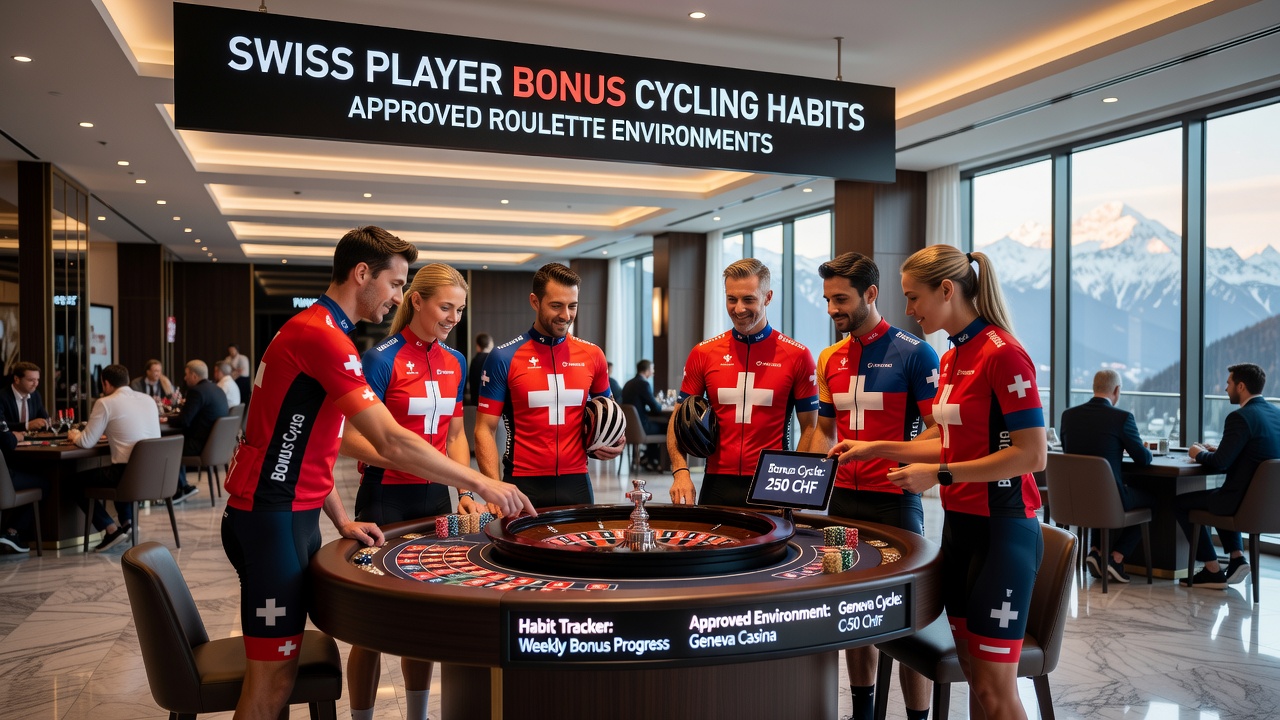
Swiss Player Bonus Cycling Habits in Approved Roulette Environments
Swiss players in approved roulette environments demonstrate distinct bonus cycling patterns that align with the requirements set by licensed operators under the inter-cantonal framework, and these habits reflect careful navigation of wagering rules that demand specific turnover multiples before any withdrawal becomes possible.
Mechanics of Bonus Cycling in Licensed Settings
Bonus cycling refers to the process where players place repeated bets to meet wagering requirements attached to welcome offers or reload promotions, while approved roulette environments limit eligible games and enforce contribution rates that often cap roulette bets at 50 percent or lower toward the total turnover, and data from regulatory reports show that this structure encourages players to spread wagers across multiple sessions rather than completing cycles in single sittings.
Operators track these cycles through account-level analytics that record bet amounts, game types, and time stamps, and studies indicate that Swiss users frequently select European roulette variants because the house edge allows for more controlled progression toward the required multiples without rapid depletion of the bonus balance.
Patterns Observed in Player Behavior
Research compiled by industry analysts reveals that many Swiss participants begin cycling immediately after claiming a bonus, yet they insert breaks between sessions to monitor balance fluctuations and adjust bet sizes accordingly, and this segmented approach helps preserve funds while steadily advancing the required wager total, whereas others consolidate activity into evening windows when platform traffic peaks.
Figures released in late 2025 and updated through November 2026 demonstrate a 12 percent rise in average cycle completion times compared with earlier periods, and the increase coincides with tighter contribution caps on table games that force players to incorporate additional slot spins or card games to fulfill remaining requirements.
Influences on Cycling Frequency and Duration
Approved environments impose daily deposit limits and session timers that shape how quickly cycles advance, while payment method restrictions further influence timing because e-wallet transfers clear faster than bank transfers and allow quicker re-entry into active play, and observers note that players who rely on prepaid cards tend to schedule shorter, more frequent cycles to stay within those daily caps.
What's interesting is that seasonal events such as national holidays produce measurable spikes in bonus claims, and subsequent cycling activity stretches across longer periods because players interleave gaming with social commitments, according to aggregated transaction logs shared by multiple licensed platforms.

Statistical Insights from Approved Platforms
Reports from the European Gaming and Betting Association indicate that roulette accounts for roughly 28 percent of all bonus-related wagers processed on Swiss-licensed sites, and the average player completes a standard 30-times wagering cycle in 4.7 separate sessions spread over nine days, while data collected through November 2026 shows a slight uptick in completion rates among users aged 35 to 44 who favor smaller, consistent bet increments.
One study released by the University of Nevada Gaming Research Center found similar segmentation patterns among regulated markets that maintain comparable contribution rules, and Swiss operators have adopted parallel tracking tools that flag incomplete cycles before they expire, thereby prompting reminder notifications that encourage continued play within the approved framework.
Role of Platform Tools and Notifications
Many licensed apps now embed progress meters that display remaining wagering amounts in real time, and these features allow players to pause or resume cycles without losing track of accumulated turnover, yet usage data suggests that only 61 percent of eligible users activate these meters consistently, while the remainder rely on manual calculations or third-party spreadsheets to monitor progress.
Turns out that integration with loyalty programs further modifies cycling habits because accumulated points can offset future deposit thresholds, and this linkage encourages players to extend cycles across multiple bonus offers rather than finishing one before starting another.
Conclusion
Swiss player bonus cycling habits in approved roulette environments continue to evolve alongside platform updates and regulatory refinements that took effect by November 2026, and the combination of contribution limits, session controls, and progress tracking tools produces measurable patterns that operators and researchers monitor through ongoing data collection. These habits remain tied to the structural requirements of licensed play, and continued analysis will document how adjustments in wagering multiples or game eligibility affect completion rates across different demographic groups.